
Why being “indispensable” might be the thing that’s holding you back
I want to share a moment that changed how I viewed my whole career. It wasn’t a promotion, a big win, or a dramatic boardroom scene. Instead, it was a realization that built up over the years and then suddenly became clear, something I couldn’t ignore once I noticed it.
I was well into my tech career, staying in a role longer than I should have, doing work I was good at, and surrounded by people who depended on me for almost everything. On the surface, that looks like success. It feels like you’re valued, like you matter, and like the company can’t run without you. I told myself that for a long time because being needed felt good, felt safe, and seemed like proof I was doing something right.
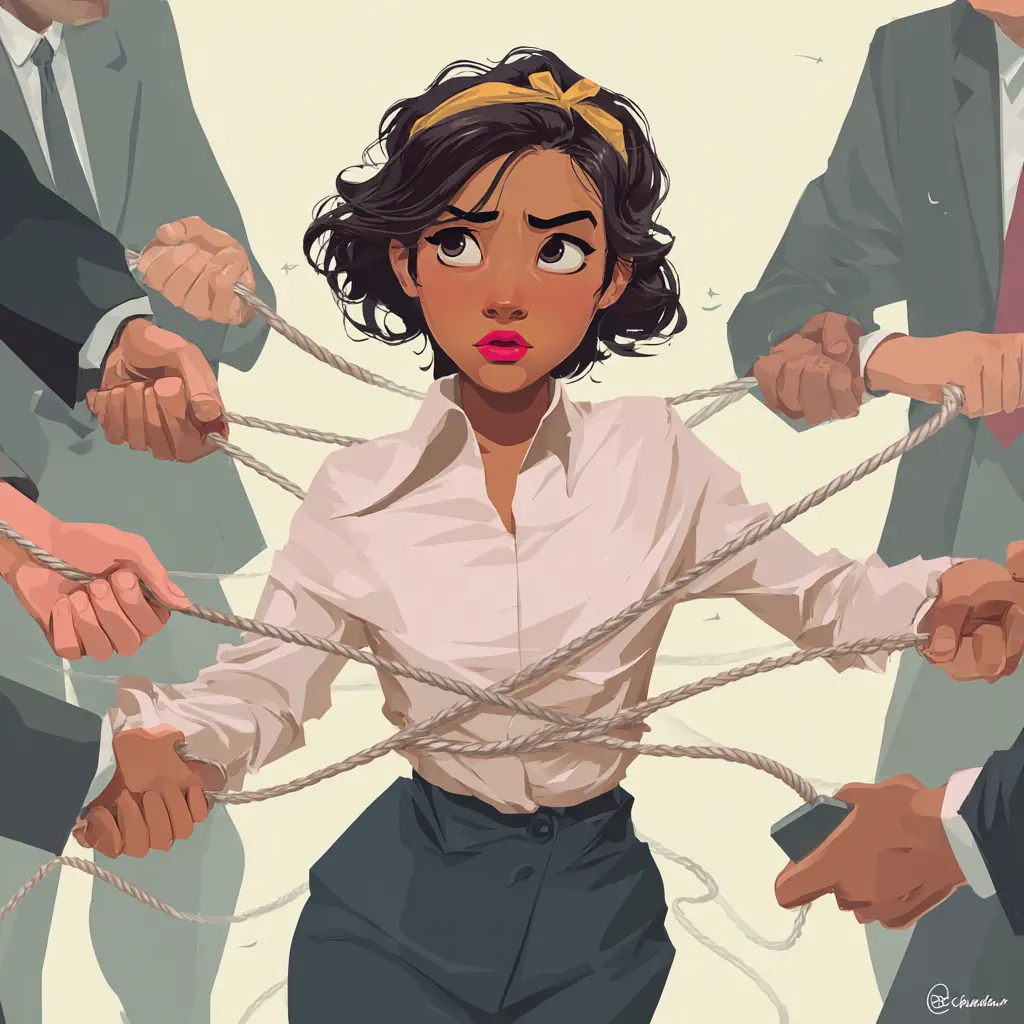
But here’s what nobody tells you about being indispensable: it’s one of the most effective ways a system can keep you exactly where you are.
I recognized this trap in my own life first, but writing Not Made for You showed me the sheer scale of the issue. In talking to dozens of women for the book, I saw my own experience mirrored back to me over and over again. These women had built strong careers in tech, but many found themselves stuck in the same situation. They were the reliable ones who kept teams together, praised by managers in private but rarely promoted. When I asked why they stayed in roles that weren’t going anywhere, they all said something similar: “It felt stable,” “I thought loyalty would be rewarded,” “I mistook being needed for being valued,” and “I focused so much on being the ‘reliable one’ for the company that I stopped being ambitious for myself.”
This pattern isn’t random, and it’s no accident that it affects women more. The workplace, especially in tech, was built on norms and expectations created by men.
As a result, women are often steered into roles where they’re valued for being dependable rather than for their potential. We’re rewarded for keeping things running, for being easy to work with, and for making others’ jobs easier. Those rewards feel real because praise feels good and stability feels safe. But in reality, you’re being relied on, not developed, and those two things are very different, even if they seem similar.
I went through this myself. I stayed in a role for years because everyone depended on me, and whenever I thought about leaving or aiming higher, a voice in my head said, “But they need you here, you can’t just abandon the team, this isn’t the right time.”
I’ve realized that voice wasn’t ambition, it was fear disguised as responsibility. I was afraid of stepping into a place where I wasn’t already the expert, where I might fail, and where I’d have to rebuild my identity instead of relying on the one I already had.
The women I spoke with who broke out of this pattern all said the same thing: growth didn’t happen when they felt ready. It happened when they were uncomfortable. They grew when they volunteered for things they weren’t sure they could do, when they left safe jobs for risky ones, and when they stopped waiting for someone else to give them a chance and made their own opportunities. Each one told me it was scary, but they’d do it again without hesitation.
Here’s the part that I think matters most, and it’s the part that made me angry enough to write a whole book about it: this isn’t a personal failure, it’s a systemic one. The reason so many women end up stuck in the “indispensable but going nowhere” cycle isn’t that they lack ambition or courage; it’s because the system genuinely benefits from keeping them there. A reliable woman who never pushes for more, who keeps the team running smoothly, who doesn’t rock the boat, that’s the ideal employee in a system that was never designed to share power equally. The system doesn’t want you to go anywhere, and it will frame that as a compliment for as long as you let it.
If this sounds familiar, I want to ask you a question I wish someone had asked me years ago: Are you being developed, or just depended on? The answer will show you whether you’re truly growing or just standing still in a way that only looks like progress.
Being needed isn’t the same as being invested in. The sooner we stop mixing up the two, the sooner we can build careers that match our real talent and ambition.